Case Study:
Stop, Collaborate and Listen: A Value Discovery Workshop for Revenue Kickoff
Background
Revenue Kickoff is one of those rare moments when an entire go-to-market organization is in the same room at the same time. For most companies, it's a mix of inspiration, product updates, and competitive intel. For this one, I saw an opportunity to do something more durable: fix a problem that had been quietly costing the company customers (and revenue) for years.
The problem wasn't a lack of talent on the team. It was a structural gap in how that team shared what they knew.
Identifying the Need
The symptoms had been visible for a while, but when you mapped them together, the picture was striking.
Sales was closing deals with buyers who weren't fully qualified; not because the team wasn't capable of asking good questions, but because discovery wasn't being done consistently or deeply enough to surface real fit. The result was churn: customers who had been sold something they weren't ready to succeed with.
On the retention side, customer success teams were losing accounts they should have kept; not because the product had failed, but because the team didn't know the account had changed. Champion turnover, team restructures, shifting priorities: when the person who originally bought in was gone, the relationship often went with them. Nobody had gone back to re-do discovery.
And connecting both of these: almost nothing passed between sales and success at handoff. What a sales rep had learned in months of conversations (the political dynamics, the real pain points, the names of the people who actually made decisions) largely disappeared when the contract was signed. Customer success was starting from zero, often asking customers questions they had already answered.
Three separate problems. One root cause: discovery wasn't being treated as a living, shared practice. It was being treated as a sales tactic, used once and discarded.
Learning Objectives
Before a single slide was built, I grounded the session in three outcomes. By the end of the workshop, participants would be able to:
Apply the Value Discovery Map framework to gather and document meaningful prospect and customer intelligence across the full account lifecycle
Differentiate how discovery looks and functions across roles (BDR, AE, CSM, and Professional Services) while identifying the connective tissue between them
Collaborate with account team counterparts by using a shared framework that makes handoffs explicit, knowledge persistent, and re-discovery proactive
The third objective was the one that mattered most. The framework itself wasn't new to the industry. Making it a team sport was the real design challenge.
Design & Delivery
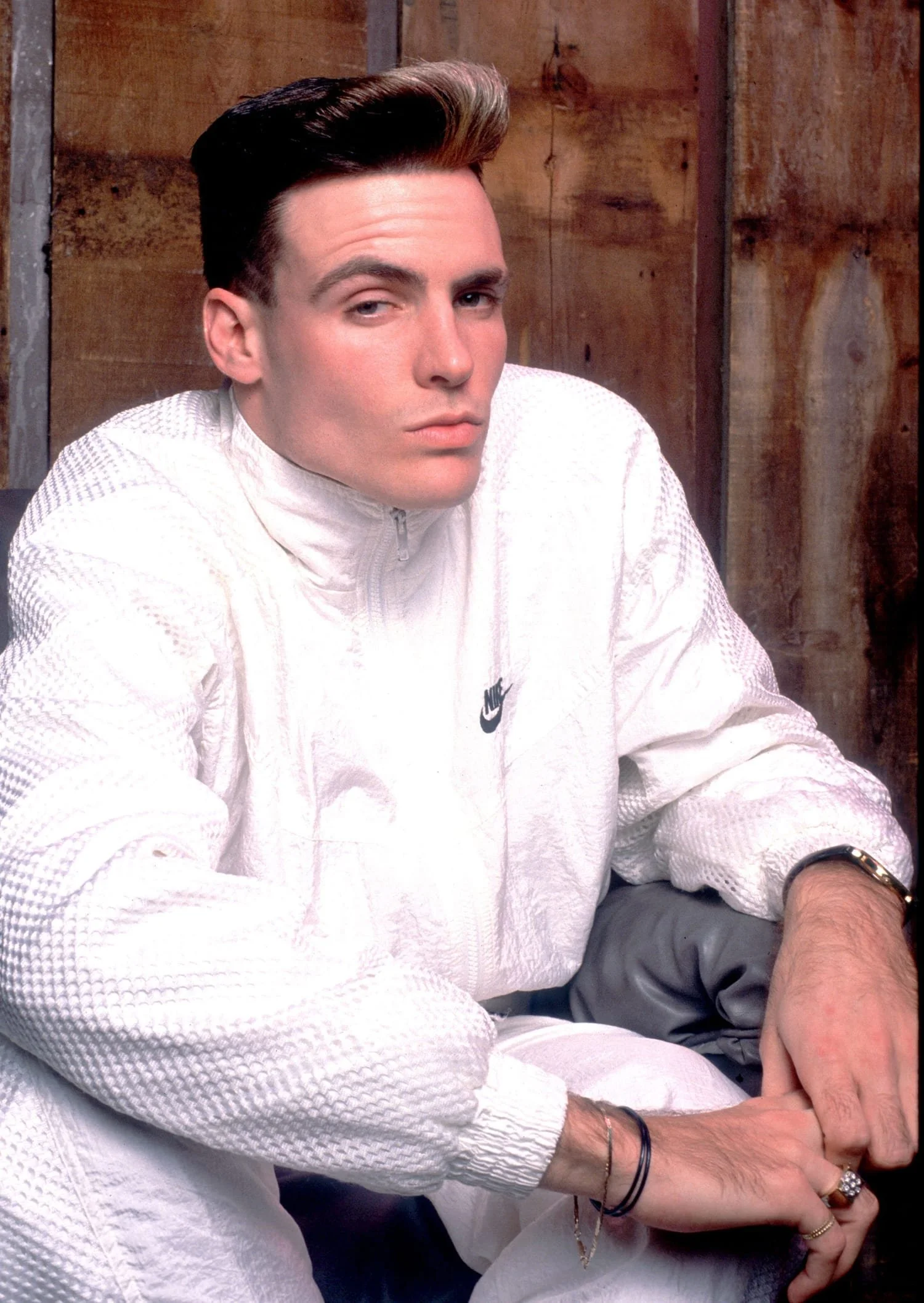
The session needed a theme. Something that would cut through the noise of a full kickoff day and signal immediately that this wasn't going to be another lecture. Enter Vanilla Ice.
"Alright, stop. Collaborate and listen."
It was the right message wrapped in the right amount of absurdity for a room full of people who had been sitting through presentations since morning. The theme landed. More importantly, it set the frame: this session was about collaboration as a discipline, not just a value on a poster.
Getting Them Thinking First
The session opened with a disarming question: What's your favorite discovery question? It was low-stakes, conversational, and immediately surfaced the variation in how different roles thought about discovery. BDRs had different instincts than AEs. AEs had different instincts than CSMs. That gap (visible before a single framework slide appeared) became the through-line for everything that followed.
Role-Based Discovery Overview
The first teaching block walked through how discovery looks at each stage of the customer lifecycle and from each role's vantage point. BDRs opening doors. AEs going deep on qualification and pain. Professional Services navigating complex stakeholder landscapes. CSMs keeping intelligence current through ongoing relationships. Each role was doing a version of the same thing, and none of them were fully talking to each other about what they'd found.
Going Deeper: Principles of Good Questions
Before learners touched the framework, they got grounding in what makes a discovery question actually useful. This wasn't a list of sample questions to memorize. It was a set of principles about listening as actively as asking, about following the thread when something unexpected surfaces, about the difference between confirming assumptions and genuinely exploring. That foundation made the framework feel purposeful rather than procedural.
Round One: Role-Based Scenarios
Tables were arranged by role, all sales together, all success together. Each group received a scenario tailored to their function and a Value Discovery Map template to work through it. Managers facilitated within their groups, which accomplished two things at once: it gave the scenarios credibility and kept the energy distributed across the room rather than dependent on a single facilitator at the front.
The role-specific round gave each group permission to go deep on their own context first to build fluency with the framework in familiar territory before being asked to translate it across functions.
Round Two: Account Team Scenarios
Then the room was remixed.
Sales and success were brought together in the account team configuration that mirrors how they actually work, because that's where the real problem lives. The scenario for this round was an enterprise expansion: a Fortune 500 company already using our product in one team, with potential to expand across additional departments. Customer success had the existing relationship. Sales had the expansion opportunity. Neither could succeed in the scenario without what the other knew.
That forced interdependence was the point. The framework became the shared language. The template became the handoff artifact. And the conversation that had to happen between a CSM and an AE to complete the exercise was, in miniature, exactly the conversation that needed to start happening in the real world.
Embedding It Beyond the Room
The workshop was designed with one foot in the event and one foot in the systems the team lived in every day. Value Discovery Maps weren't presented as a workshop exercise, they were built into the tooling so that every member of an account team could access and update them in the flow of their actual work. The session created the why and the how. The system made forgetting inconvenient.
Outcomes
The Value Discovery Map session became a reference point in how the GTM team talked about their work together. It gave sales and customer success a shared vocabulary for a process they had each been doing in isolation, and a mechanism for making sure what they learned didn't disappear at the handoff.
More structurally, building discovery into shared systems meant that the session's impact didn't expire when the kickoff ended. When a champion left an account, the CSM had a starting point. When a deal closed, the handoff had substance. When a customer started to drift, re-discovery was a natural next step rather than an admission that something had been lost.
The real measure of a Revenue Kickoff session isn't the energy in the room on the day. It's whether the team does something differently six months later. This one was designed to make the answer yes.
Program: Revenue Kick Off | Organization: Pluralsight | Format: Live Facilitated Workshop | Year: 2024
Alright, stop. Collaborate and listen.